Building a new home is exciting, but it is also a major investment. Even brand-new construction can have mistakes that are easy to miss if you are not checking the work as it progresses.
Phase inspections ensure every stage of the build is completed correctly, from the foundation to the final touches. They help you catch problems early, keep the project on track, and avoid costly fixes later.
This guide explains why phase inspections are so necessary, how they protect your investment, and what you should expect during each step of the construction process.
What are Phase Inspections (and why they’re different)
“Phase inspections” are independent checks at key milestones during home construction. Unlike a typical home inspection done after construction, these inspections occur before things are covered up – before drywall, before finishes, and sometimes before slabs are poured.
For example:
- Before concrete is poured, a foundation inspection is done.
- A framing or pre-drywall inspection, when wiring and plumbing are exposed.
- One last walk-through or punch-list inspection before you take ownership.
These inspections provide an opportunity to notice these things when they can be fixed, rather than when the walls have been closed, and the repairs would become expensive. As one inspector put it: “Once all the walls are in place, you cannot see what’s behind.”
Why Skipping Them is Risky
You may believe that it is a new home and everything should be perfect. It is a shame that this is not always the case. A survey was carried out, with 65% of those who purchase new-built homes reporting issues that arose during their inspection, and approximately 24% of respondents claiming that their home failed inspection on their first attempt.
Problems such as electrical, plumbing, or structural issues may still arise, even with a brand-name builder. Phase inspections uncover framing mistakes, wiring issues, or plumbing defects, things that become much harder (and more expensive) to fix later.
So skipping phase inspections is not just about “wasting money” now it’s about potentially paying a lot more in future repairs, warranty hassles, or even health and safety concerns (like hidden wiring or improper ventilation).
What Phase Inspections Typically Cover
These are some of the things you are expected to experience in each of the major stages:
- Foundation/pre-pour stage: The inspector will examine the site setup, depth of footing, reinforcement (rebar/post-tension), vapor guards, and drainage surrounding the foundation.
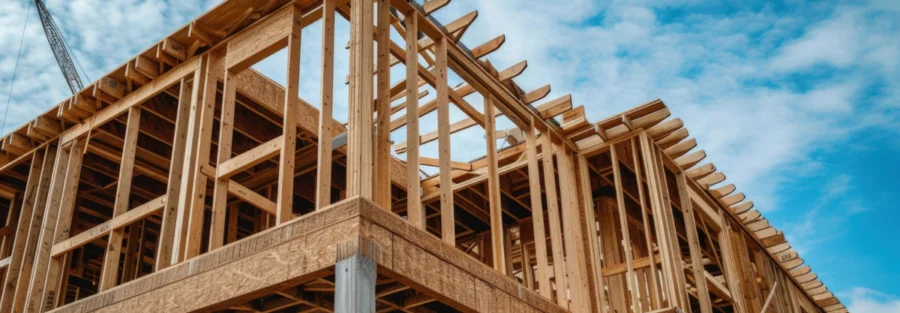
- Framing/Pre-drywall stage: During this stage, the wiring, plumbing, ductwork, and structural connections are all exposed. The inspector searches for appropriate framing, Installation of mechanicals, fire-stops, and inappropriate anchoring.
- Final Inspection for new home: Before you close or move in, the inspection reviews general finishes, appliances, and systems (HVAC, plumbing, and electrical), and verifies that any issues flagged earlier have been corrected.
It is not only about the check boxes, but also about ensuring things are in order. It has to do with peace of mind.
How Phase Inspections Protect Your Investment
When you recruit on merit, you will tend to save heavily in the long term. Here’s how phase inspections give you a real return:
- Early identification of issues: It is much less expensive to repair a misplaced pipe than once the drywall is in place and you are already living in the house.
- No surprise expenses: In case a foundation has been laid on bad soil, you would experience settlement problems a few years later. Phase inspections reduce that risk.
- Power in negotiating with the builder: When a third-party report indicates that something does not meet the specifications, you are in a more advantageous position to have the builder repair it under the warranty, rather than when you own the house and an issue arises.
- Retain resale value: The fact that your home was progressively inspected and cleared at each inspection stage is an added advantage if you sell it in the future. It demonstrates that you were a quality-focused business person when you started out.
Real-World Example
In a Government Accountability Office (GAO) study of newly built homes in the United States, 62% of the 1,812 homes sampled contained at least one defect costing at least $100 to rectify that the builder had not fixed.
This indicates that over half of the new-home buyers in this sample had to endure avoidable repair troubles that would have been prevented had proper phase inspections been conducted.
This illustrates the importance of conducting phase inspections during new home construction: catching issues early (such as foundation and framing) rather than waiting until after everything is complete and the only inspection is the final one.
When and How to Schedule Them
To get the most out of phase inspections, timing and communication are key:
- Plan ahead: Have your inspector at work earlier than key dates, such as concrete pouring or drywall erection. The builders can be very elusive, so it’s best to lock in an inspector as early as possible.
- Plan construction schedule: Coordinate with your builder to provide a schedule for the building, ensuring checkpoints align with the actual stages.
- Use a qualified inspector: Make sure the inspector you choose is experienced in new-construction phase inspections (not just standard resale inspections). For example, seek someone who knows the ins and outs of building practice and the quality of a building.
- Encourage your builder: Inform your builder that you have contracted a phase inspector. It establishes a collaborative environment and ensures you are both on the same page, rather than dropping an atomic bomb on someone.
- Don’t skip the final inspection: Even after completing the phases, make sure to conduct the final inspection of the new home right before closing or at move-in. Things can shift as the build is wrapped up.
Final Thoughts
Building a house is one of the largest investments most individuals make. Skipping the small step of phase inspections is like skipping the oil change on a new car; you might get away with it for a while, but the risk increases.
When you include phase inspections in your process, you’re not just buying a home; you’re investing in confidence.
When constructing a new home or planning to do so, ensure that your construction process includes phase inspections at critical moments and a thorough final inspection for the new home wrap-up. Protect your future now and move into your new house with confidence, knowing your home is properly set up.
Contact TexInspec when you need the expertise of a skilled and experienced inspection partner. Our inspectors specialize in new-construction phase inspections, helping you stay on track from foundation to finish.
Book your consultation now and ensure that your dream house is not only beautiful but also constructed correctly.